Auto Mechanic Shop Tips: Rust and Your Exhaust, How Fall Weather Speeds Corrosion

By: Dragon Auto AMG

As the crisp air of fall settles over Montreal, many car owners think about winter tires, windshield washer fluid, and heating systems—but often overlook one silent killer lurking beneath their vehicles: rust.
Rust doesn’t form overnight. It’s a slow, sneaky process that thrives in cool, damp conditions—exactly the kind of weather Montreal drivers face every autumn. And one of the most common areas affected? Your exhaust system.
At Dragon Auto AMG, a trusted auto mechanic shop in Montreal, we see it every year: as temperatures drop and humidity rises, exhaust systems begin to corrode faster than most people realize. Left unchecked, that corrosion can lead to poor performance, loud noises, failed inspections, and expensive repairs.
So how does fall weather accelerate rust on your exhaust? And what can you do to stop it before it spreads? Let’s dig into what really happens under your car during those chilly, leaf-covered months—and how to protect your ride before winter hits.
1. Understanding Why Fall Weather Accelerates Rust
Fall is beautiful in Montreal—but for your car’s underbody, it’s a tough season. The temperature swings, rain, and road debris create perfect conditions for corrosion.
1.1 The Science Behind Rust Formation
Rust, or iron oxide, forms when metal reacts with oxygen and moisture. When your car’s exhaust is exposed to water—either from puddles, rain, or condensation inside the system—it begins to oxidize.
Now add salt (from early de-icing efforts), road grime, and fluctuating temperatures, and you have the perfect storm for rust. Every time your car heats up and cools down, the metal expands and contracts, creating microscopic cracks where moisture can seep in.
This means even a new car can begin rusting faster than you think if it’s not properly maintained.
1.2 Why the Exhaust System Is Especially Vulnerable
Your exhaust system sits close to the ground—where all the water, salt, and debris collect. Unlike other parts of your car, it constantly faces extreme heat and cooling cycles.
The inside of the exhaust also deals with condensation created by combustion gases. When you drive short distances, that moisture doesn’t have time to evaporate, allowing it to sit and corrode from the inside out.
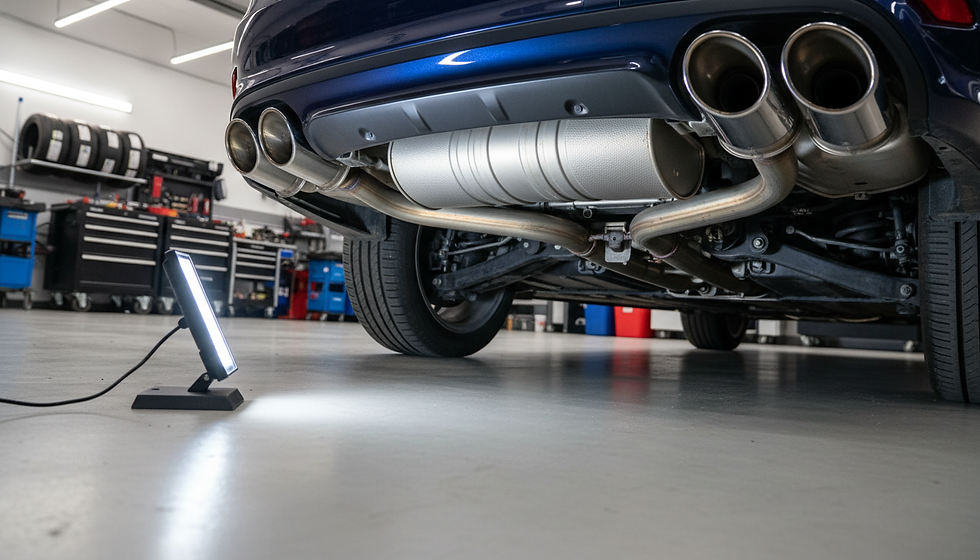
A typical exhaust includes multiple metal sections—pipes, mufflers, catalytic converters, clamps, and hangers. All of these can weaken over time, leading to leaks, rattles, and reduced efficiency.
1.3 Fall: The Season of Moisture, Leaves, and Corrosion
Fall in Montreal is damp. The air holds more humidity, rain falls often, and piles of wet leaves stick under your car. Those leaves trap moisture right where you don’t want it—on your exhaust and chassis.
Combine that with cooler temperatures and early road salt, and you’ve got a corrosion cocktail. It’s why your local auto mechanic shop will tell you: autumn is the best time to check for rust before winter begins.

2. How to Spot Early Signs of Exhaust Rust
Catching rust early is the key to saving your exhaust system (and your wallet). The earlier you act, the easier—and cheaper—it is to fix.
2.1 Listen for Changes in Sound
One of the first signs of a rusting exhaust is noise. When corrosion eats through metal, it creates tiny holes and cracks that let exhaust gases escape.
You might notice:
A deeper, louder exhaust sound than usual,
A rattling noise under the car,
Or a hissing sound, especially when accelerating.
If your car suddenly sounds sportier (and it’s not supposed to), it’s time for a visit to an auto mechanic shop.
2.2 Look for Visible Rust and Leaks
If you can safely check under your car, inspect the exhaust pipes, muffler, and joints. Light surface rust is normal—but flaking, holes, or heavy discoloration means it’s time for professional attention.
You might also notice:
Black soot marks near joints,
Water dripping or pooling under the exhaust,
Or a burning smell (from exhaust gases escaping near other parts).
Even small leaks can quickly worsen in fall weather, especially when exposed to salt and moisture.
2.3 Watch for Performance Changes
Rust damage doesn’t just make your car louder—it can affect performance. Corrosion in the exhaust system can disrupt airflow and reduce efficiency.
Common symptoms include:
Reduced fuel economy,
Slower acceleration,
Strong exhaust fumes inside the cabin.
If your vehicle isn’t running as smoothly as before, a mechanic inspection can reveal if rust is the culprit.

3. Preventing Rust: What Every Driver Should Know
Now that you know how rust develops, let’s look at how to prevent it—especially during Montreal’s unpredictable fall season.
3.1 Regular Undercarriage Cleaning
The underside of your car collects grime and salt faster than any other part. Washing it regularly, even in the fall, helps remove contaminants before they cause damage.
Tips from your local auto mechanic shop:
Use a high-pressure hose or touchless car wash that cleans underneath.
Wash your car every two weeks during wet or salty conditions.
Dry your car afterward if possible, especially in your garage.
Avoid skipping fall washes—it’s one of the simplest and most effective ways to prevent corrosion.
3.2 Apply an Anti-Rust Coating
If you live in Montreal, investing in annual rust protection is one of the smartest things you can do. Professional coatings (like oil-based or electronic rust inhibitors) protect your exhaust and chassis from moisture intrusion.
A rustproofing treatment from an experienced auto mechanic shop like Dragon Auto AMG can:
Seal small cracks and crevices,
Prevent moisture from sticking to metal surfaces,
And prolong the life of your vehicle’s underbody.
Fall is the best time of year to apply rust protection, before winter salt begins attacking your car.
3.3 Drive Smart: Short Trips Cause Rust Too
Many people don’t realize that short drives can actually increase rust formation. Here’s why: when you drive for less than 10 minutes, your exhaust doesn’t heat up enough to evaporate condensation inside the system.
That trapped water leads to internal corrosion over time.
To avoid this:
Try to combine errands into longer trips,
Let your car idle a minute before driving off in cold weather,
Schedule periodic maintenance to clear buildup.
These small habits make a huge difference in how long your exhaust lasts.

4. When to Visit an Auto Mechanic Shop for Rust Repairs
Even with the best maintenance, rust can eventually appear. The key is knowing when to act—and when professional help is needed.
4.1 Minor Rust vs. Structural Damage
Not all rust is catastrophic. Light surface rust can often be cleaned and sealed without replacing parts. But if corrosion has eaten through the metal, causing holes or cracks, replacement is usually necessary.
At Dragon Auto AMG’s auto mechanic shop, technicians inspect your exhaust thoroughly, checking for:
Weak points,
Leaking joints,
And structural integrity.
Early intervention could mean the difference between a quick weld and a full exhaust replacement.
4.2 The Dangers of Ignoring Exhaust Rust
Ignoring rust damage isn’t just bad for your car—it can be dangerous. Exhaust leaks can let harmful gases (like carbon monoxide) enter the cabin.
In addition, a weakened exhaust can break or fall off while driving, especially after hitting bumps or potholes. This creates a serious road hazard and could fail a safety inspection.
If your vehicle is making unusual noises or emitting strange smells, don’t wait. Visit your trusted auto mechanic shop immediately.
4.3 Professional Rust Treatment and Repairs
A professional rust repair doesn’t just patch the problem—it restores the system for long-term protection. At Dragon Auto AMG, rust services may include:
Sandblasting to remove corrosion,
Welding to seal small holes,
Applying heat-resistant coatings,
Replacing damaged components like mufflers or pipes.
Technicians also inspect other at-risk areas, such as brake lines, wheel wells, and suspension parts. Addressing these early keeps your car safe and reliable year-round.
Conclusion: Stop Rust Before It Stops You
Rust might start small, but in Montreal’s fall climate, it spreads quickly—especially on your exhaust.
By staying proactive, washing regularly, applying rustproofing, and scheduling inspections at your local auto mechanic shop, you can save yourself from major headaches (and major repair bills) down the road.
At Dragon Auto AMG, we don’t just sell used cars—we also help drivers maintain them for years to come. Our certified mechanics specialize in exhaust repair, rust prevention, and complete vehicle maintenance.
So before winter arrives, let’s make sure your car is ready for the challenge. Schedule your rust inspection or exhaust check today and keep your vehicle performing its best, no matter what Montreal’s weather brings.
Because a little care in fall can save you a lot of trouble in spring.


Comments