Loud Exhaust Noise? Common Causes, Exhaust Leak Symptoms, and Repair Solutions

By: Dragon Auto AMG
A loud exhaust noise can be more than just an annoyance. It often signals a problem with your vehicle’s exhaust system that needs attention. Ignoring this noise can lead to reduced fuel efficiency, increased emissions, and even damage to your engine. Understanding what causes loud exhaust noise, how to spot signs of an exhaust leak, and what repair options are available can help you keep your vehicle running smoothly and safely.

What Causes Loud Exhaust Noise?
Several issues can cause your vehicle to produce louder than normal exhaust noise. Here are the most common causes:
1. Exhaust Leak
An exhaust leak happens when there is a hole or crack in the exhaust system. This can occur in the exhaust manifold, pipes, muffler, or catalytic converter. Leaks allow exhaust gases to escape before they reach the muffler, which normally reduces noise. The result is a louder, often raspier sound.
Common reasons for leaks include:
Rust and corrosion from moisture and road salt
Physical damage from road debris or hitting obstacles
Loose or broken clamps and hangers
2. Damaged Muffler
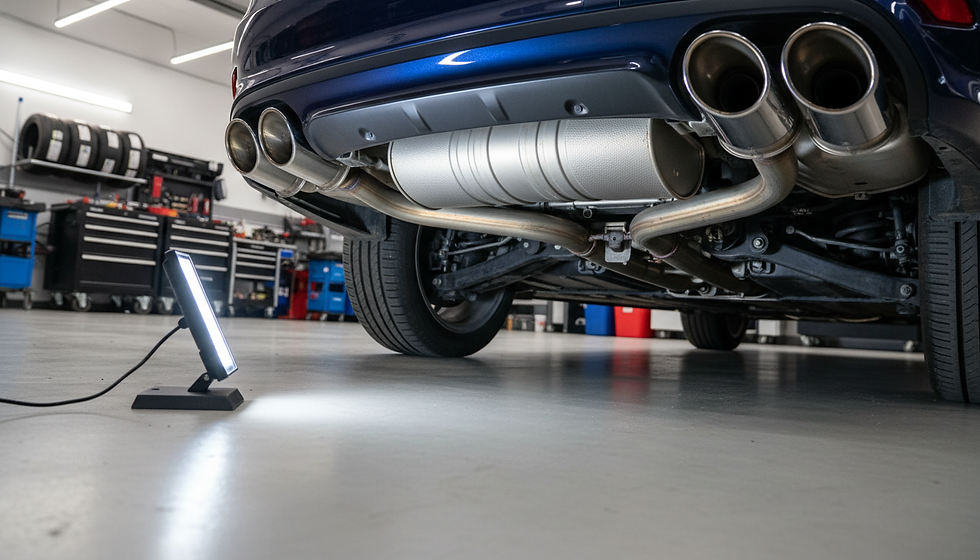
The muffler’s job is to reduce exhaust noise. If it becomes damaged, rusted through, or develops holes, it cannot muffle the sound effectively. This leads to a louder exhaust noise that can sound like roaring or rumbling.
3. Faulty Exhaust Manifold Gasket
The gasket seals the connection between the engine and the exhaust manifold. If it fails, exhaust gases can leak out, causing a loud tapping or popping noise, especially during acceleration.
4. Broken or Loose Exhaust Components
Parts like clamps, hangers, or brackets keep the exhaust system secure. If these break or loosen, parts of the exhaust can vibrate or hang lower, causing noise and sometimes scraping sounds.
5. Performance Modifications
Some vehicle owners install aftermarket exhaust systems or remove mufflers to increase engine sound. While this is intentional, it results in louder exhaust noise that may not comply with local noise regulations.
How to Recognize Exhaust Leak Symptoms
Detecting an exhaust leak early can prevent further damage and keep your vehicle safe. Here are key symptoms to watch for:
Loud, unusual exhaust noise that changes with engine speed
Hissing or tapping sounds near the engine or under the vehicle
Strong smell of exhaust fumes inside or around the car, which can be dangerous
Decreased fuel efficiency due to improper exhaust flow
Check engine light turning on, sometimes related to oxygen sensor issues caused by leaks
Visible holes, rust, or black soot around exhaust joints or pipes
If you notice any of these signs, it’s important to have your exhaust system inspected promptly.

Repair Solutions for Loud Exhaust Noise and Leaks
Fixing loud exhaust noise depends on the cause and severity of the problem. Here are common repair options:
1. Patch Small Holes or Leaks
For minor leaks or holes, exhaust repair kits with clamps, patches, or sealants can provide a temporary fix. These kits are available at auto parts stores and can be a quick solution until a professional repair is done.
2. Replace Damaged Sections
If the muffler, pipes, or manifold have significant damage or rust, replacing the affected parts is often necessary. This restores proper exhaust flow and noise reduction.
3. Tighten or Replace Clamps and Hangers
Loose or broken clamps and hangers should be tightened or replaced to secure the exhaust system and prevent rattling noises.
4. Replace Exhaust Manifold Gasket
A faulty gasket requires removal of the manifold and installation of a new gasket to stop leaks and restore proper sealing.
5. Professional Exhaust System Inspection
A certified mechanic can perform a thorough inspection using smoke tests or pressure tests to locate leaks that are not visible. They can recommend the best repair or replacement options.
6. Consider Upgrading to a Quality Aftermarket Muffler
If you want to reduce noise but also improve performance, a high-quality aftermarket muffler designed for noise reduction can be a good investment.
Preventing Loud Exhaust Noise
Regular maintenance can help avoid loud exhaust noise and leaks:
Inspect the exhaust system during oil changes or routine service
Wash the undercarriage in winter to remove salt and prevent rust
Avoid driving over debris or rough terrain that can damage exhaust parts
Address any unusual noises promptly before they worsen

Keeping your exhaust system in good condition not only reduces noise but also improves fuel efficiency and lowers harmful emissions.


Comments